
Top Mistakes to Avoid When Buying a Leather Backpack
Investing in a leather backpack is more than just a purchase; it is a commitment to a companion that, if chosen wisely, can last for decades. Whether you are a professional navigating the corporate halls of New York or a student exploring the campuses of California, the right bag defines your style and protects your essentials. However, the market is saturated with options that vary wildly in quality, durability and functionality. First mentioned by Leather Mingle.
To ensure you make an investment rather than a temporary purchase, here is a comprehensive look at the top mistakes to avoid when buying a leather backpack in 2026, featuring insights from the experts at Leather Mingle.
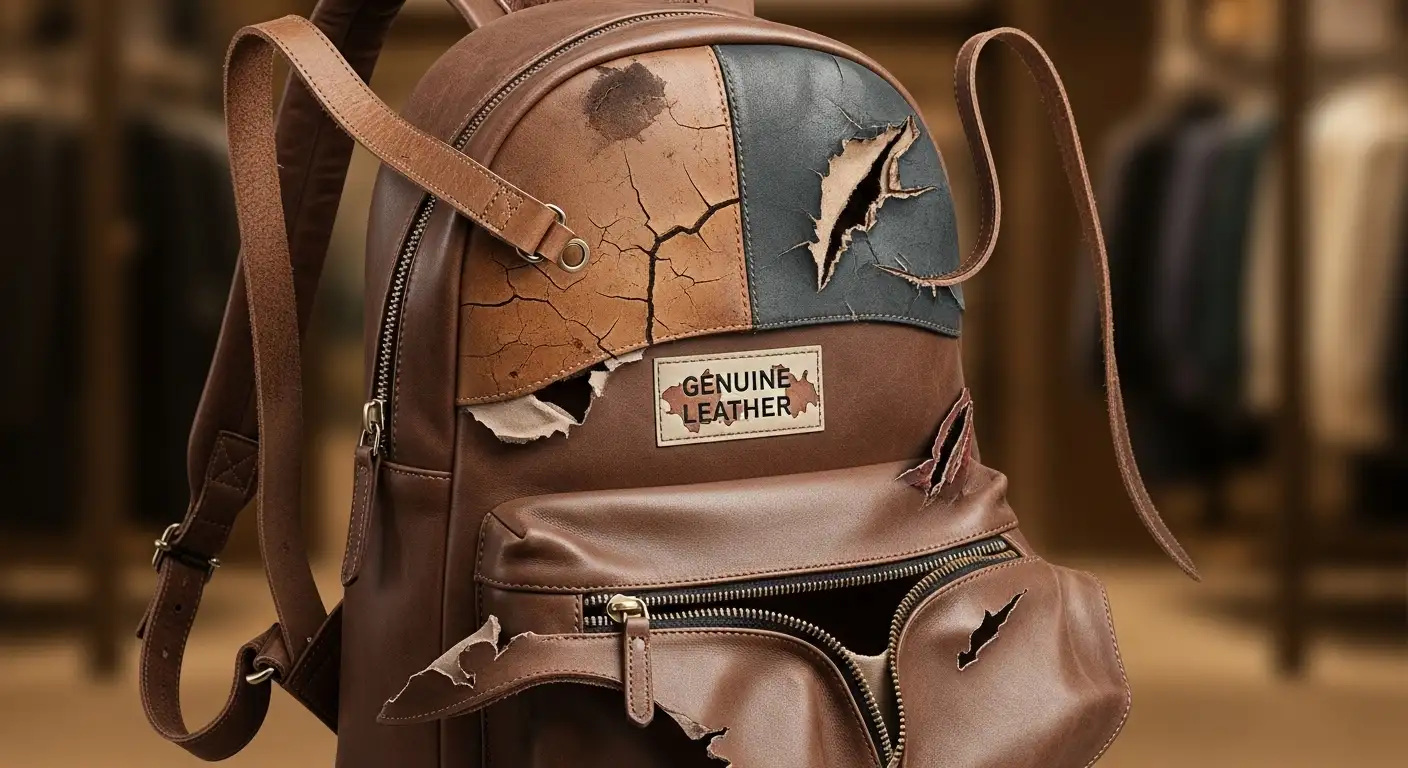
1. Falling for the “Genuine Leather” Trap
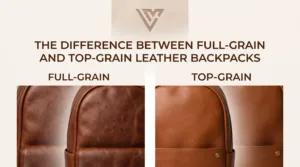
One of the most common mistakes is assuming that the label “Genuine Leather” denotes high quality. In the industry, “Genuine Leather” often refers to the lowest grade of real leather, made from the remaining layers after the top grains are stripped away for higher-end products. These bags may look good initially but lack the strength and character development (patina) of superior grades.
For maximum longevity, always look for full-grain leather. Full-grain leather uses the entire grain of the hide, including all the natural toughness and unique imperfections. Brands like Leather Mingle prioritize full-grain construction because it ensures the product becomes more beautiful with age rather than wearing out.
2. Ignoring the Weight of the Empty Bag
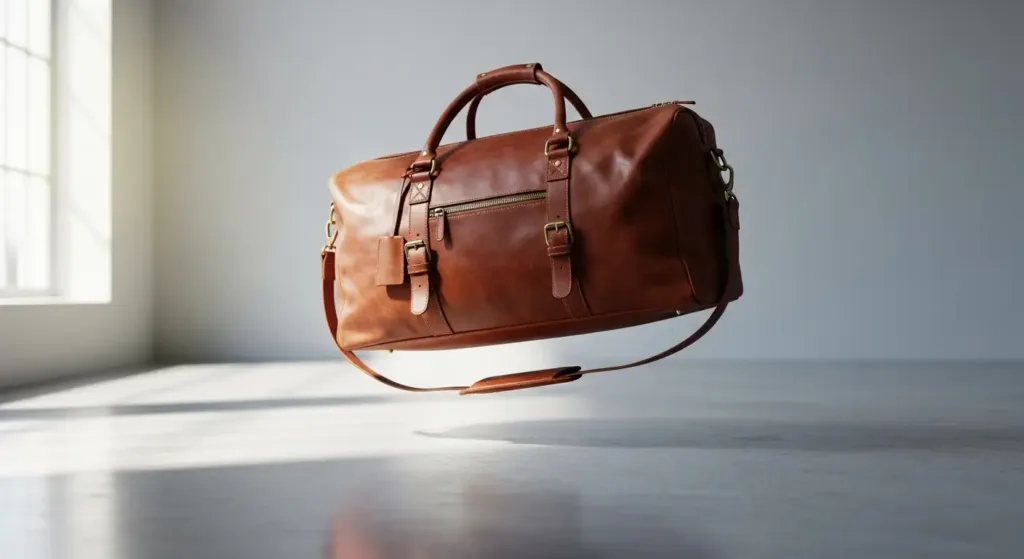
A leather backpack is naturally heavier than its canvas or nylon counterparts. A frequent error is choosing a bag that is already heavy before you even place a laptop inside. High-quality leather doesn’t have to be cumbersome. Experts suggest that for daily comfort, you should aim for a backpack that weighs under 3 pounds.
If a bag feels like a workout just to lift it from the shelf, imagine carrying it through a terminal or across a city. Look for designs that balance thick, durable leather with streamlined construction to keep the weight manageable.
3. Selecting the Wrong Size for Your Tech
In the age of digital mobility, your backpack is essentially a mobile office. A common mistake is buying a “laptop backpack” without verifying the exact dimensions of the laptop compartment. A 15-inch laptop will not fit securely in a sleeve designed for a 13-inch device, and a 17-inch workstation requires specific architecture to prevent damage.
Leather Mingle offers specialized designs, such as the Black Leather Laptop Backpack, specifically engineered with a 17-inch compartment to ensure professional-grade security for larger devices. Always measure your laptop diagonally and check the internal sleeve dimensions rather than the external dimensions of the bag.
4. Overlooking the Quality of Hardware and Zippers
The leather might last fifty years, but if the zipper breaks in six months, the bag is useless. Many buyers focus entirely on the hide and ignore the “engine” of the bag: the hardware. Cheap, lightweight zippers are prone to snagging or splitting under the tension of a packed bag.
High-quality leather backpacks should feature heavy-duty brass or stainless steel hardware. Look for reinforced stitching at “stress points” where the straps meet the body of the bag. A sturdy buckle or a smooth, high-grade zipper is a hallmark of a brand that doesn’t cut corners.
5. Sacrificing Comfort for Aesthetics
A vintage-style rucksack might look incredible in a photoshoot, but if it lacks padded straps, your shoulders will pay the price. One of the biggest regrets buyers face is choosing a bag with thin, unpadded leather straps for heavy daily use.
Modern leather backpacks should bridge the gap between “old-world” style and “new-world” ergonomics. Look for adjustable padded straps that distribute weight evenly. For those who travel frequently, features like breathable back panels are essential to prevent heat buildup during long commutes.
6. Neglecting Maintenance Requirements
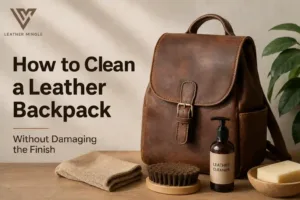
Leather is a natural material that requires hydration. A common mistake is assuming a leather bag is “set and forget.” Without proper care, leather can dry out, crack or become stained by the elements.
When buying, consider the care instructions. High-quality bags usually require a simple routine:
- Cleaning: Regular wiping with a dry or slightly damp soft cloth.
- Conditioning: Applying a leather cream every few months to maintain suppleness.
- Protection: Using a leather spray to provide a barrier against rain and moisture.
7. Disregarding Internal Organization
A beautiful exterior is of little use if the interior is a black hole where your keys, chargers, and pens disappear. Avoid bags that offer only one large compartment. A functional leather backpack should provide dedicated spaces for your daily essentials.
The best designs include:
- Padded laptop sleeves.
- Internal zippered pockets for valuables.
- Easy-access external pockets for phones or transit cards.
Comparison of Leather Backpack Features
| Feature | Full-Grain Leather | Genuine Leather | Faux / Synthetic |
|---|---|---|---|
| Durability | Highest | Moderate | Low |
| Aesthetic | Develops Patina | Uniform / Stays Same | Degrades Over Time |
| Weight | Heavier | Moderate | Light |
| Breathability | High | Moderate | Low |
| Maintenance | Regular Conditioning | Occasional | Wipe Clean Only |
8. Buying Based Solely on the Lowest Price
Quality leather is an expensive raw material, and the craftsmanship required to sew it properly is a specialized skill. If a leather backpack is priced similarly to a standard nylon bag, it is likely a red flag for poor labor practices, inferior materials, or “leather-like” synthetics.
Instead of looking for the cheapest price, look for value. A $300 full-grain backpack from a reputable brand like Leather Mingle that lasts 10 years is significantly cheaper in the long run than a $60 “genuine leather” bag that needs replacement every year.
9. Ignoring the Tanning Process
How the leather is processed matters for both durability and the environment. Most mass-produced leather is “chrome-tanned,” which is fast but uses harsh chemicals. Vegetable-tanned leather uses natural tannins from bark and plants. While it takes longer to produce, vegetable-tanned leather is often more eco-friendly and develops a much richer character over time.
10. Forgetting the “Unisex” Versatility
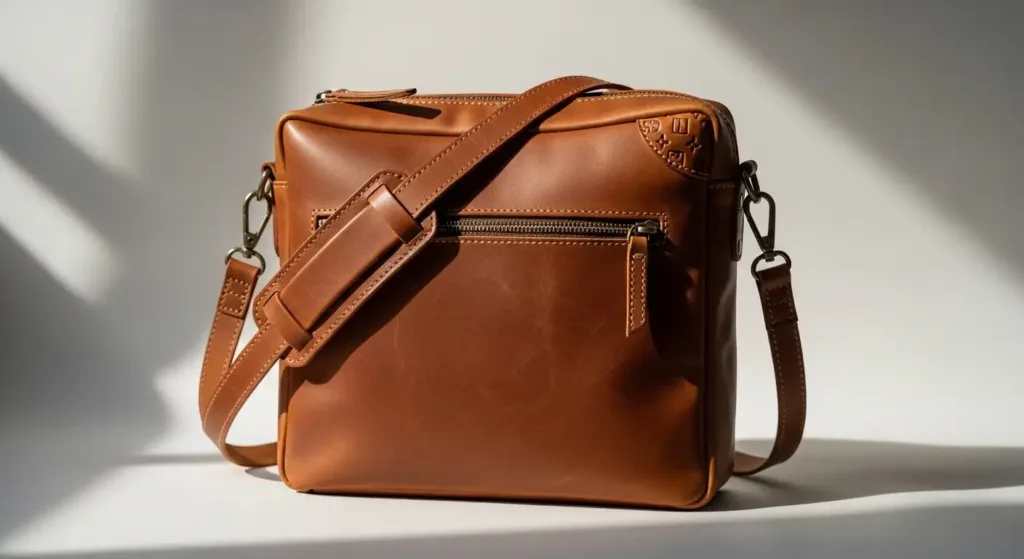
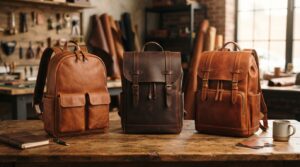
Many buyers restrict themselves to “men’s” or “women’s” categories, missing out on excellent designs. Modern leather backpacks are increasingly designed with a unisex aesthetic in mind. For example, a tan leather rucksack or a navy blue commuter bag can easily transition between different styles and wardrobes, providing more utility if you share the bag or change your fashion sense.
Why Choose Leather Mingle?
Leather Mingle has established itself as an authority in the international leather market by focusing on high-quality materials and user-centric design. Their collection, ranging from professional 17-inch laptop backpacks to vintage-style rucksacks, is crafted with the understanding that a bag should be both a style statement and a practical tool. By avoiding the common pitfalls of the industry such as using inferior “genuine” grades or neglecting ergonomic comfort Leather Mingle ensures that every purchase is a long-term investment in quality.
Frequently Asked Questions
Q1: How do I know if a backpack is actually full-grain leather?
Full-grain leather will have slight natural imperfections, like scars or pores from the animal’s hide. It also has a distinct, rich smell. If the surface looks perfectly uniform like plastic, it is likely a lower grade or synthetic.
Q2: Is a leather backpack suitable for rainy weather?
While leather is naturally somewhat water-resistant, it is not waterproof. You should avoid heavy downpours. Using a leather protector spray and wiping the bag dry immediately if it gets wet will prevent damage.
Q3: What is the ideal weight for a daily leather backpack?
For the best experience, look for a bag that weighs under 3 pounds when empty. This ensures that once you add your laptop and gear, the total weight remains comfortable for your shoulders.
Q4: Can I use standard soap to clean my leather backpack?
No. Standard soaps can contain harsh chemicals that strip the natural oils from the leather, causing it to dry out and crack. Always use a dedicated leather cleaner or a damp cloth with water only.
Q5: Are there leather backpacks that fit large 17-inch laptops?
Yes. While many standard bags only go up to 15 inches, specialized professional bags like those from Leather Mingle include dedicated, padded 17-inch compartments for larger workstations.



Add comment