
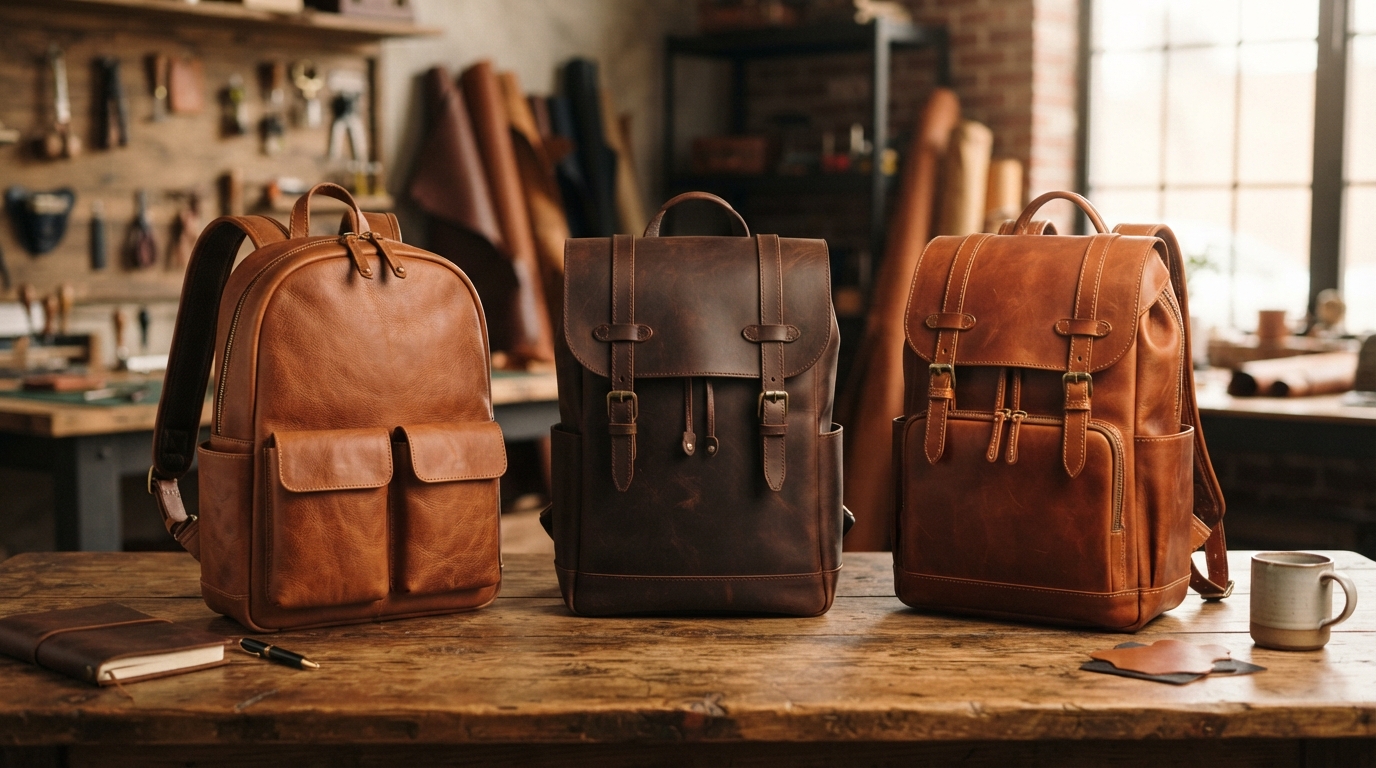
How Much Should You Spend on a Quality Leather Backpack?
A good leather backpack is one of those purchases that quietly pays for itself over the years. It shows up at your desk, on your commute, at the airport, and in every photo where you’re carrying it without thinking about it. But the price tags on quality leather backpacks vary wildly you’ll find options anywhere from $60 to well over $1,000 and it’s genuinely hard to know where the line sits between “reasonable investment” and “overpaying for a logo.” This guide breaks down what actually drives leather backpack prices, what you should expect to pay at each budget tier, and how to figure out the right number for your own needs.
Why Quality Leather Backpack Prices Vary So Much
Before we talk numbers, it helps to understand why one leather backpack costs $80 and another costs $800. Price in this category isn’t random it tracks a handful of specific factors.
Type of Leather
This is the single biggest driver of cost. “Leather” is a broad umbrella term, and the type used changes both the price and the lifespan of the bag dramatically.
- Full-grain leather is the top layer of the hide, left largely unaltered. It’s the strongest, most durable option, and it develops a rich patina over time. It’s also the most expensive because it requires higher-quality raw hides with fewer imperfections.
- Top-grain leather is sanded and refinished to remove blemishes. It’s more affordable than full-grain, still quite durable, and has a more uniform, polished look.
- Genuine leather sounds premium but is actually a lower grade it’s made from the layers left after the top grain is split away. It’s cheaper and less durable, though it can still last several years with care.
- Bonded or “faux” leather is scrap leather fibers bonded together with adhesive, or a synthetic PU material made to look like leather. These are budget-friendly but tend to crack, peel, or delaminate within a year or two of regular use.
Knowing which grade you’re buying is the first step to understanding whether a price is fair.
Construction and Hardware
A backpack’s price also reflects how it’s built. Reinforced stitching, YKK zippers, solid brass or nickel hardware, and full-grain leather straps all add cost but also add years of usable life. Cheaper bags often cut corners here first plastic zipper pulls, unreinforced seams, and thin straps that stretch or tear.
Brand and Craftsmanship
Handmade or small-batch leather backpacks from skilled artisans or heritage leather goods brands command a premium because of the labor involved hand-cutting, hand-stitching, and finishing each panel takes hours a machine-stitched bag doesn’t require. Meanwhile, well-known fashion brands often charge extra purely for the logo, not necessarily for better materials or construction than a comparable non-branded bag.
Country of Manufacture
Leather goods made in countries with strong leatherworking traditions Italy, Spain, parts of the U.S. often cost more due to labor costs and reputation, even when the materials are comparable to bags made elsewhere.
Leather Backpack Price Tiers: What You Actually Get
Here’s a realistic breakdown of what to expect at different price points when shopping for a leather backpack.
Budget Tier: $50–$120
At this price, you’re typically looking at bonded leather, leather-look PU, or a small amount of genuine leather trim on a canvas or nylon body. These bags can look decent in photos and work fine for light, occasional use a weekend trip or a bag you don’t mind replacing in a year or two. Hardware is usually basic, stitching may be less reinforced, and the leather (if real) is often thin.
Best for: casual users, students on a tight budget, or anyone who wants the leather look without a long-term commitment.
Mid-Range Tier: $120–$300
This is the sweet spot for most buyers. At this price, you can reasonably expect top-grain or entry-level full-grain leather, solid stitching, and decent hardware. Many well-regarded leather goods brands sit in this range, offering backpacks that will hold up to daily commuting, laptop transport, and regular wear for three to seven years with proper care.
Best for: daily commuters, professionals, and anyone who wants genuine durability without paying for a luxury name.
Premium Tier: $300–$600
Here you’re paying for full-grain leather throughout, refined construction (often partially or fully handmade), premium hardware like solid brass buckles, and thoughtful design details padded laptop sleeves, quality YKK zippers, adjustable organizational compartments. Bags in this range are built to last a decade or more and typically age beautifully, developing a deep patina with use.
Best for: people who want a “buy it for life” bag, frequent travelers, and those who value craftsmanship as much as function.
Luxury Tier: $600 and Up
At this level, you’re often paying for a combination of exceptional materials, artisanal handcrafting, and brand prestige. Some of this cost is genuinely justified by rare or exotic leathers, fully hand-stitched construction, and decades of brand heritage. But a meaningful portion of the price at the very top of the market is also about status and design exclusivity rather than functional superiority over a well-made $400 bag.
Best for: collectors, those who prioritize brand and design pedigree, and buyers for whom price is not the primary concern.
What a “Fair Price” Actually Looks Like
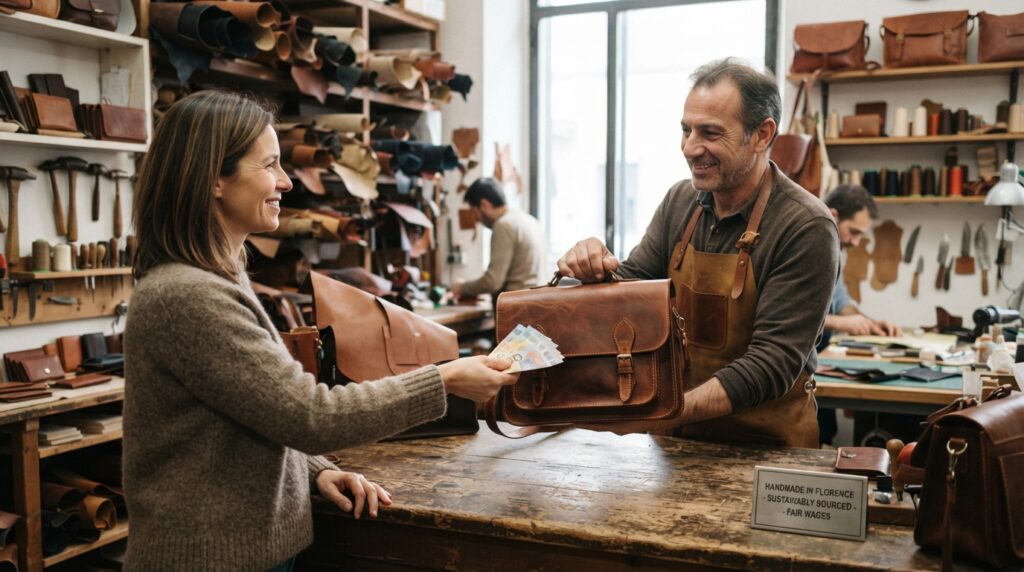
If you want a genuinely rule-of-thumb answer: for most people, $150–$350 represents the sweet spot for a quality leather backpack that balances real durability, solid craftsmanship, and reasonable cost. Below that range, you’re taking a gamble on materials and construction. Above roughly $600, you’re increasingly paying for brand name and design exclusivity rather than a proportional jump in quality.
That said, “fair price” isn’t a single number it depends on how you’ll use the bag and how long you expect it to last.
How to Decide What You Should Spend
Rather than anchoring to a specific dollar figure, it’s more useful to work backward from your actual needs. Here are the questions worth asking yourself before you buy.
1. How Often Will You Use It?
A backpack you’ll carry five days a week for years justifies a higher price tag than one that comes out twice a year for trips. Cost-per-use is a genuinely useful mental model here: a $300 backpack used daily for five years costs about 16 cents per use. A $60 backpack that falls apart in eight months and gets replaced twice ends up costing more in the long run and creates more waste.
2. What Will You Be Carrying?
If you’re regularly hauling a laptop, tablet, charger, and other tech, look for backpacks with padded, well-structured compartments a feature more common (and better executed) in the mid-range and up. If you’re mainly carrying light everyday items, you can comfortably spend less.
3. Do You Want It to Age Well?
Full-grain leather develops a patina a natural darkening and softening that many people find makes the bag look better over time. If that appeals to you, it’s worth spending enough to get genuine full-grain leather, since lower grades don’t patina the same way and can look worn out rather than “broken in.”
4. What’s Your Climate and Lifestyle?
If you live somewhere rainy or humid, or you’re rough on your gear, consider whether you want to spend more on a bag with better weatherproofing and sturdier construction, since leather can be sensitive to prolonged moisture exposure regardless of price point.
5. Are You Buying for Resale or Longevity?
Higher-end leather backpacks from reputable brands often hold resale value better than budget alternatives, since the materials and craftsmanship remain desirable secondhand. If you like to sell or trade gear periodically, this is worth factoring into the math.
Red Flags That Signal You’re Overpaying (or Underpaying)
Overpaying signs:
- The price is driven almost entirely by logo recognition with no meaningful upgrade in leather grade or construction.
- Marketing language is vague about the leather type (“crafted from premium leather” without specifying full-grain, top-grain, etc.).
- Limited or no warranty despite a high price tag.
Underpaying signs (i.e., it’s likely too good to be true):
- A backpack marketed as “genuine leather” at a price that would barely cover the cost of the material.
- No information about the tannery, leather grade, or country of manufacture.
- Reviews mentioning peeling, cracking, or delamination within months.
Maintenance Costs to Factor In
Buying the bag is only part of the cost of leather backpack ownership. To keep leather looking and performing its best, plan on periodic conditioning a quality leather conditioner costs roughly $15–$30 and typically lasts through several applications a year. This small ongoing investment extends the life of even a mid-range bag significantly, which is worth factoring into your total cost of ownership when comparing a cheaper bag against a pricier one.
Is It Ever Worth Spending Over $500?
For some buyers, yes. If you travel frequently for work, want a bag that will realistically last 15–20 years, or place high value on artisanal craftsmanship and design, the premium and luxury tiers can be justified. The key is making sure the extra money is going toward genuine material and construction upgrades full-grain leather, hand-finished edges, premium hardware rather than purely toward a brand name. A useful gut check: if you removed all labels and logos, would you still recognize the extra quality by touch and inspection? If yes, the price is likely earned.
Final Thoughts
There’s no single “correct” price for a leather backpack but there is a correct price for you, based on how often you’ll use it, what you’ll carry, and how long you want it to last. As a general guideline, budget backpacks under $120 are fine for occasional or short-term use, the $150–$350 range delivers the best balance of quality and value for most daily users, and anything above $500 should come with a clear, tangible reason beyond the brand name. Pay attention to the leather grade, construction details, and hardware quality rather than the price tag alone, and you’ll end up with a backpack that’s genuinely worth what you paid for it however much that turns out to be.
Frequently Asked Questions
How much should I spend on a good leather backpack?
For most people, $150–$350 is the sweet spot enough to get top-grain or full-grain leather with solid construction, without paying extra for pure branding.
What’s the difference between full-grain and genuine leather?
Full-grain is the strongest, most durable top layer of the hide and develops a patina over time. “Genuine leather” is actually a lower grade made from split layers beneath the top grain it’s cheaper but less durable.
Is a $50 leather backpack worth buying?
It can be, for light or occasional use. At this price you’re usually getting bonded leather or a small amount of real leather trim on a canvas/nylon body fine for a year or two, not built for daily heavy use.
Why are some leather backpacks over $600?
At that tier you’re often paying for full-grain leather, hand-stitched construction, premium hardware, and brand heritage. Some of that price is genuine craftsmanship; a portion is also brand prestige rather than functional improvement.
Does a more expensive leather backpack last longer?
Generally yes, up to a point. Bags in the $150–$600 range typically last 5–20 years with care, while sub-$100 bags often need replacing within 1–2 years. Beyond roughly $600, extra durability gains taper off compared to the price increase.
What should I check before buying a leather backpack?
Look for the specific leather grade (full-grain vs. top-grain vs. genuine), stitching quality, hardware material (brass/nickel vs. plastic), zipper brand (YKK is a good sign), and any warranty offered.
Is real leather better than faux leather backpacks?
For longevity, yes real leather (especially full-grain) resists wear and ages well, while faux/PU leather tends to crack or peel within a year or two of regular use. Faux leather can still be a reasonable budget or ethical choice for lighter use.


About author


Add comment