
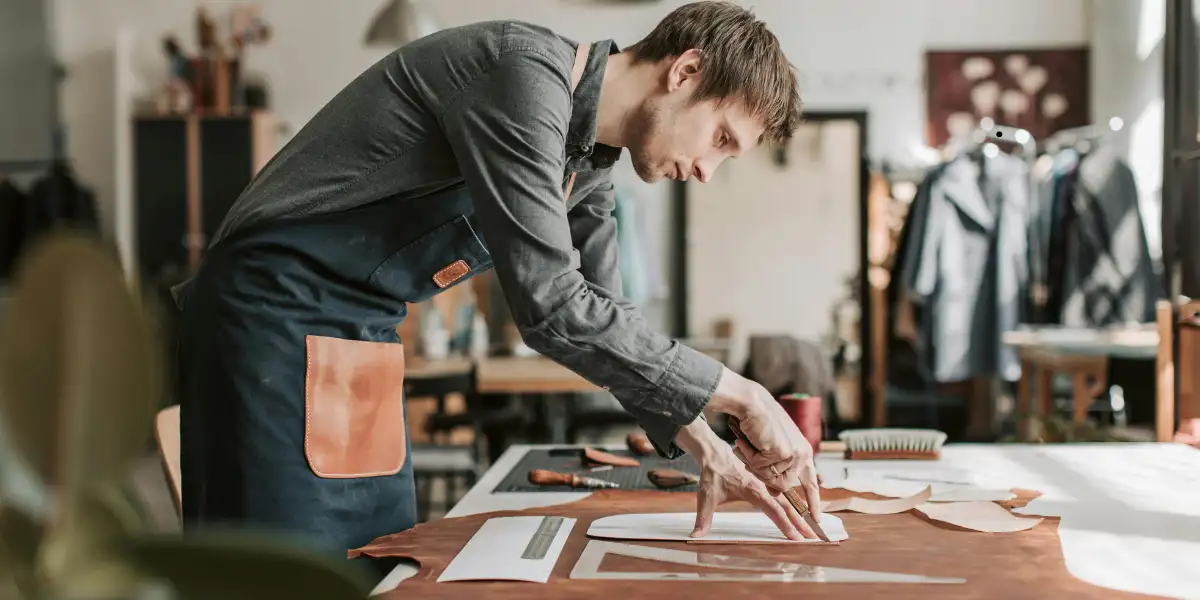
Best Heavy-Duty Leather Aprons For Work
A heavy-duty leather apron is not a fashion accessory. For welders, blacksmiths, woodworkers, grill masters, and workshop professionals, it is a piece of protective equipment that stands between your skin and genuine hazards, including heat, sparks, sharp edges, grease and debris.
The wrong apron fails quickly. Thin split leather cracks within months. Weak stitching tears at the shoulder under a full day’s load. A neck strap that digs in becomes a reason to take the apron off entirely, which defeats the purpose.
Compare leather grade, thickness, and strap construction in our leather apron collection at LeatherMingle before making a purchase decision.
How Heavy-Duty Leather Apron Different from a Standard Leather Apron?

The difference starts with thickness. Standard cooking aprons or chef aprons typically use leather between 0.8 and 1.2 mm thick. A genuine heavy-duty work apron starts at 1.6 mm and goes up to 2.5 mm or more for blacksmithing and welding applications. That extra thickness is what provides meaningful protection against heat, abrasion, and impact.
A heavy-duty leather apron uses thicker hide (1.6 mm to 2.5 mm), reinforced stitching at all stress points, and industrial-grade hardware. Standard leather aprons are thinner, lighter, and designed for kitchen or decorative use, not workshop protection.
Leather type also separates the categories. Full-grain leather is the strongest option, retaining the complete natural fiber structure of the hide. Oil-tanned leather adds moisture resistance to the natural durability. Split leather, used in cheaper aprons, is the weaker inner layer left after the top grain is removed and it fails under sustained workload.
• Full-grain leather: strongest, most durable, best long-term option for heavy work
• Top-grain leather: sanded surface, good durability, suits moderate workshop use
• Oil-tanned leather: treated for moisture and grease resistance, ideal for BBQ and cooking
• Split leather: avoid for heavy-duty use. Cracks and delaminates under regular strain
Why Do Many Leather Work Aprons Crack After a Few Months?
Thin split leather is the most common culprit. It photographs well, feels soft out of the box, and costs significantly less to produce than full-grain alternatives. But the split layer lacks the dense fiber structure of the outer hide, so it dries out faster, resists abrasion poorly, and eventually cracks or delaminates at flexion points.
Weak stitching at stress points is the second major failure. The shoulder connections, waist tie anchor points, and pocket seams all take concentrated load during a full day of work. A thread that is not waxed or reinforced with bar tacks at these points will fail under that repeated stress within months.
Warning Signs to Check Before Buying:
• Leather feels unusually light or paper-thin when held, indicating split leather
• No indication of leather thickness (oz or mm) in the product description
• Stitching at strap attachment points looks single-threaded or is buried inside thin seams
• Hardware is stamped zinc alloy rather than cast brass or steel
• No cross-back or convertible strap option for heavier work configurations
• Product listed as full-grain but priced significantly below genuine full-grain market rates
How to Choose the Best Heavy-Duty Leather Apron for Your Work Type?
Blacksmithing, woodworking, BBQ grilling, and general shop work each create different hazards. The right heavy leather apron for one job is not necessarily the right choice for another. Matching your apron to your actual work environment prevents both under-protection and unnecessarily heavy carry.
Best Leather Apron for Woodworking: What Features Matter Most?
Woodworking creates fine dust, occasional sharp debris, and regular tool contact rather than heat or spark exposure. A leather apron for woodworking does not need to be as thick as a blacksmith apron, but it does need to be flexible enough to allow full arm and torso movement across a long day of cutting, planing, and assembly work.
• Leather thickness: 1.2 to 1.6 mm suits most woodworking needs
• Cross-back strap design prevents neck fatigue across long work sessions
• Multiple front tool pockets keep hand tools within reach
• Flexible leather that moves with you, not against you, when bending or reaching
What Makes a Blacksmith Leather Apron Truly Protective?
Blacksmithing exposes you to radiant heat, hot metal scale, sparks, and sharp steel edges. This is the most demanding application for a leather work apron and requires the thickest hide available. A genuine blacksmith leather apron should use full-grain leather at 2.0 mm or heavier to provide meaningful heat resistance and abrasion protection.
Chest coverage matters in blacksmithing where it often does not in other trades. A full bib design that extends from the upper chest down to the knees protects the broadest area of the body from heat radiation and falling sparks. Riveted stress points rather than stitching alone at strap joints provide the mechanical reinforcement that holds up to constant heavy use.
Match your apron to your work intensity. Browse heavy leather aprons at Leather Mingle built for blacksmithing, woodworking, and serious shop use.
What Should You Look for in a BBQ or Leather Grilling Apron?
The protective requirements are meaningful but different. Oil-tanned leather is the best material choice here because the tanning process makes the hide naturally resistant to grease and light moisture, which are the two main hazards at a grill.
For BBQ use, mobility matters as much as protection. You are reaching, turning, lifting, and moving constantly around the grill. An adjustable waist and neck or cross-back strap system that stays comfortable over a two to four-hour cook is as important as the leather grade itself. A BBQ leather apron for men should also include at least two front pockets for tools and a towel ring or loop.
• Oil-tanned leather handles grease and outdoor moisture better than untreated full-grain
• Adjustable straps for comfort during extended grilling sessions
• Front tool pockets for tongs, thermometers, and accessories
• Knee-length coverage protects against grease splatter from waist to leg
Is a Leather Shop Apron Different from a Chef or Cooking Apron?
Yes, significantly. A leather cooking apron or leather chef apron is designed for kitchen environments where the hazards are moisture, heat from cooking surfaces, and staining. These aprons use thinner, more supple leather that is easier to clean and more comfortable in a warm kitchen setting.
A heavy-duty leather shop apron is built for mechanical and trade environments where the hazards include sharp metal edges, abrasive surfaces, tool impact, and sustained physical wear. The leather is thicker, the stitching is more heavily reinforced, and the cut is designed for full-range movement under physical workload rather than kitchen comfort.
What Factors Improve the Durability of an Apron?
Three construction variables determine how long a heavy leather apron holds up under real working conditions: leather thickness, stitching quality, and strap design. Understanding each one helps you read product descriptions accurately and avoid paying for marketing language rather than actual quality.
| Thickness | Best For | Protection Level |
| 1.2 mm (3 oz) | Woodworking, light shop work | Moderate |
| 1.6 mm (4 oz) | BBQ grilling, cooking, and general trade | High |
| 2.0 mm+ (5 oz+) | Blacksmithing, welding, forging | Maximum |
Stitching type matters as much as leather thickness at the points that take the most stress. Double stitching along main seams significantly resists thread wear compared to single-thread construction. Bar tacks at strap attachment corners prevent seam tear-out under the repeated lateral load of a full work day. Waxed thread withstands moisture and abrasion better than standard polyester thread.
• Cross-back straps: best for all-day wear, heavy tools in pockets and physically demanding work
• Adjustable neck straps: acceptable for lighter use or shorter sessions
• D-ring and quick-release hardware: allows fast on and off between tasks
• Riveted stress points: more reliable than stitching alone at strap junctions under high load
How Can You Prevent a Heavy-Duty Leather Apron from Losing Shape?
A full-grain leather work apron is a significant investment. The right maintenance habits protect that investment and keep the apron functional and protective for years beyond what a neglected piece would last.
The biggest threat to a leather work apron is not the work itself. It is the cycle of getting wet from sweat, water, or cleaning, then drying out completely without conditioning. This repeated wet-dry cycle pulls the natural oils from the leather fibers faster than any other form of wear. Conditioning every two to three months interrupts that cycle and keeps the leather supple.
• Condition the full apron surface with a leather conditioner or neatsfoot oil every two to three months
• Wipe off grease, dust, and metal scale after each use with a dry cloth
• Never use a heat gun, dryer, or direct sunlight to speed dry a wet apron
• Allow wet leather to dry naturally at room temperature, laid flat or hung evenly
• Store flat or hanging from a proper hook rather than folded, which creates permanent crease lines
• Apply a water-resistant leather dressing if the apron is regularly exposed to outdoor moisture
Condition a heavy leather apron every two to three months with a quality leather conditioner or neatsfoot oil. Dry naturally after wet exposure and store flat or properly hung. These three habits alone extend the working life of any genuine leather apron by years.
For a complete leather care schedule that applies to aprons and bags alike, read our daily leather care tips guide at LeatherMingle.
Things to Avoid While Buying Heavy-Duty Leather Aprons
Most leather apron purchase regrets come down to the same avoidable decisions made at the point of buying. Recognizing these mistakes before you search saves both money and frustration.
• Buying on price alone: the lowest-priced leather aprons almost always use split leather under 1.2 mm thick. The savings at purchase disappear quickly when the apron needs replacing within a year
• Ignoring leather thickness specifications: a product described as genuine leather with no thickness stated in oz or mm is almost always a split leather product. Reputable heavy-duty aprons always specify the leather weight
• Choosing a neck strap for heavy work: Neck straps are adequate for light kitchen or craft use. For blacksmithing, welding, or a full day of woodworking with tools in the pockets, a cross-back strap design is not optional
• Not checking stitching reinforcement: bar tacks and double stitching at stress points are easy to see in product photos if you know what to look for. Single-thread construction at strap attachment points is a reliable predictor of early failure
• Ordering a decorative or cooking apron for industrial work: a leather chef apron and a leather blacksmith apron look similar in photographs. Read the leather grade, thickness, and intended use specification before buying
FAQs
What thickness of leather is best for a heavy-duty work apron?
For most workshop use, 1.6 mm (4 oz) is the practical minimum. Blacksmithing and welding need 2.0 mm or thicker. 1.2–1.6 mm works well for general woodworking if stitching and straps are strong.
Is full-grain leather better than split leather for work aprons?
Yes. Full-grain leather is significantly stronger, more abrasion-resistant, and longer-lasting. Split leather is weaker and wears out much faster under heavy use.
Are leather aprons good for blacksmithing?
Yes, when properly made. Choose full-grain leather 2.0 mm or thicker, with a full bib design, cross-back straps, and riveted connections for the best heat and impact protection.
How long does a heavy leather apron last?
A quality full-grain heavy leather apron can last 5–10 years with regular cleaning and conditioning. Lower-grade or split leather aprons often fail within 1–2 years.
Can you wash a leather apron?
No machine washing. Wipe with a damp cloth and leather cleaner, then air dry at room temperature and apply conditioner. Washing removes natural oils and causes shrinking and cracking.
What is the best leather apron for BBQ grilling?
Oil-tanned full-grain leather (1.6 mm) with adjustable cross-back straps, multiple pockets, and knee-length coverage. Oil-tanned leather best resists grease and moisture.
Do leather aprons shrink over time?
Leather can shrink if left wet and dried with heat or sunlight. Always air dry naturally at room temperature and condition regularly to maintain shape and flexibility.
Ready to Buy a Leather Apron That Actually Holds Up?
Do not compromise on leather thickness for your specific work type. A blacksmith who buys a 1.2 mm apron and a woodworker who buys a 2.5 mm blacksmith-grade apron are both making avoidable mistakes. Match the spec to the job.
Evaluate material, thickness, and strap design in our leather apron collection at LeatherMingle and find the right protection level for your trade.




Add comment