
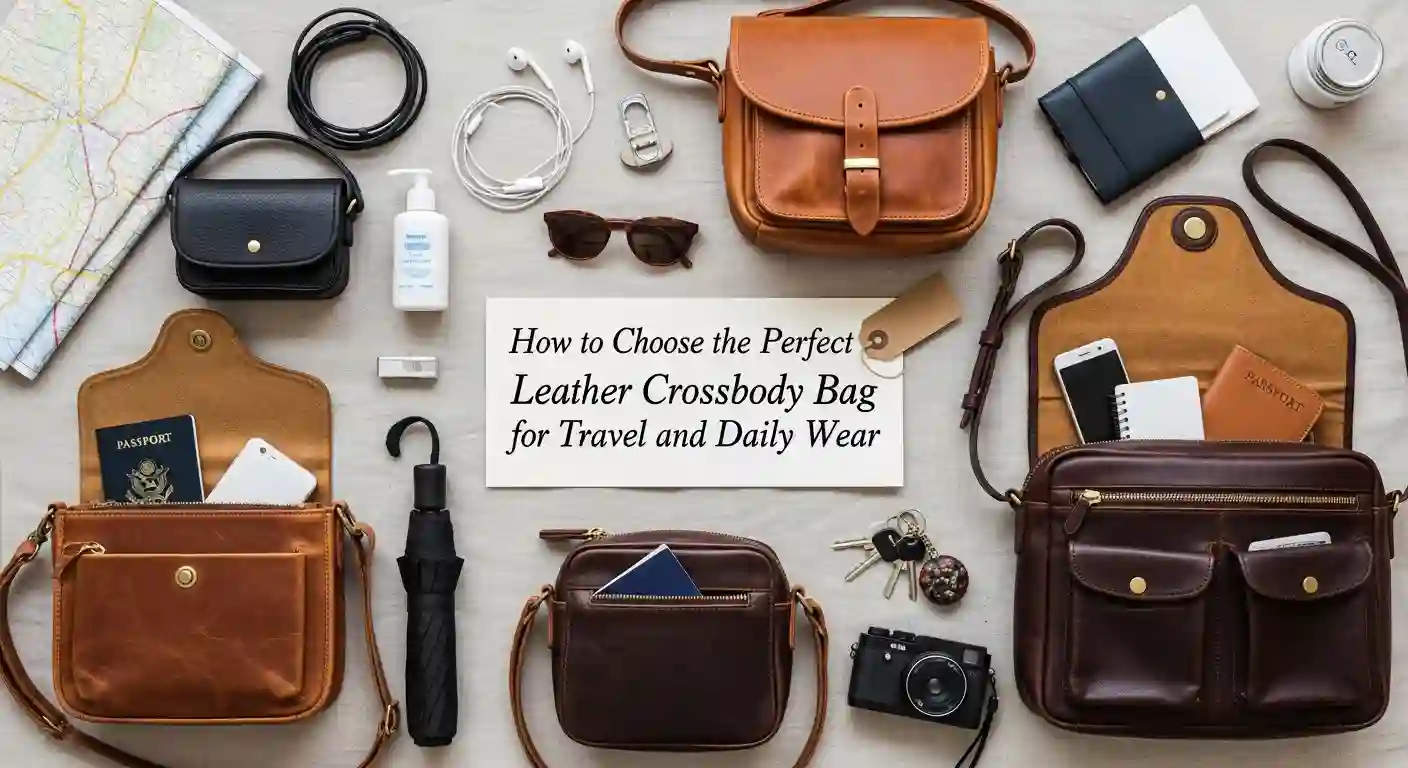
How to Choose the Perfect Leather Crossbody Bag for Travel and Daily Wear
A leather crossbody bag gives you hands-free convenience without sacrificing style or security. It sits across your body, distributes weight evenly, and keeps your belongings within easy reach, whether you are commuting, traveling, or running daily errands. Leather versions of this bag type are especially popular because genuine leather develops a rich patina over time, handles regular use with minimal wear, and suits both casual and smart outfits. Full-grain leather bags, top-grain crossbody styles, and vegetable-tanned options each serve different needs depending on how and where you carry them.
Why Are Leather Crossbody Bags Ideal for Travel and Daily Use?
Leather crossbody bags are built for movement. You wear them diagonally across your chest, which means both hands stay free while your bag stays secure close to your body. This design is especially practical in crowded spaces like airports, markets, or busy city streets, where pickpockets are a real concern.
The material matters just as much as the design. Genuine leather is naturally resilient. It resists light rain, handles the friction of daily use, and does not wear out the way synthetic fabrics do. A well-made leather crossbody can last a decade or longer with basic care.
Beyond function, leather crossbody bags work across multiple settings. You can carry the same bag from a morning coffee run to an afternoon business meeting. That kind of versatility is hard to find in nylon or canvas alternatives.
What Type of Leather Is Best for Crossbody Bags?
Not all leather is created equal. The type of leather used in a crossbody bag directly affects how long it lasts, how it looks over time, and how well it handles daily stress. Understanding the differences helps you invest wisely.
Full-Grain Leather
Full-grain leather is the highest quality option available. It comes from the outermost layer of the hide and keeps all the natural grain intact. This means the surface retains the hide’s original strength and character.
Full-grain leather develops a patina with use, resists moisture naturally, and is the most durable choice for a long-term leather bag investment.
Bags made from full-grain leather are more expensive upfront, but they hold their structure and appearance for years. If you want a crossbody that only gets better with age, full-grain is worth the premium.
Top-Grain Leather
Top-grain leather is sanded and finished to remove surface imperfections. It is more uniform in appearance than full-grain and slightly thinner, which makes it easier to mold into structured bag shapes.
Top-grain leather is a practical mid-range option that balances affordability, clean aesthetics, and reasonable durability for everyday crossbody use.
It is the most commonly used leather in commercial crossbody bags. If you want a polished look without paying full-grain prices, top-grain is a solid choice.
Vegetable-Tanned Leather
Vegetable tanning uses natural plant-based compounds instead of chemicals to process the hide. The result is a firmer, slightly stiffer leather that softens and deepens in color as you use it.
Vegetable-tanned leather is eco-conscious, ages beautifully, and is favored by buyers who want a bag with a natural, organic character.
It is also more breathable than chrome-tanned alternatives. If sustainability and long-term aesthetics matter to you, vegetable-tanned leather is a standout option.
How Important Is Bag Size and Storage Capacity?
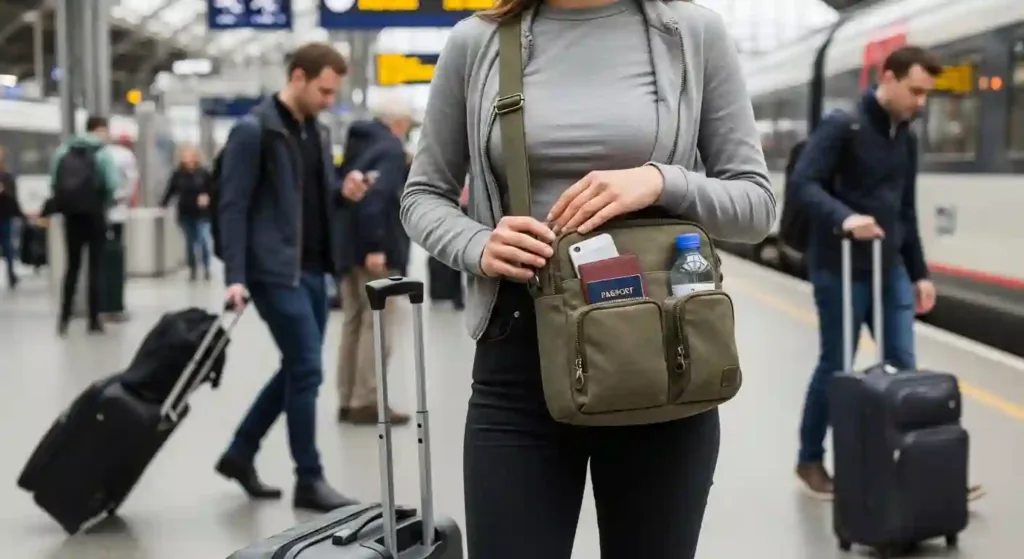
Size is one of the most practical decisions you will make when choosing a crossbody bag. A bag that is too small will frustrate you on busy days. One that is too large will feel bulky and defeat the purpose of a slim, hands-free carry.
For daily use, a medium crossbody that fits a phone, wallet, keys, and a few small essentials is usually enough. For travel, look for a slightly larger profile that can also hold a travel card holder, small notebook, earphones, and a compact portable charger.
Think about what you carry on a typical day and choose a bag that fits that list without extra empty space. Overpacking a crossbody bag stretches the straps and stresses the seams over time.
• Small crossbody (under 20cm wide): for minimal daily carry
• Medium crossbody (20cm to 28cm): best for everyday urban use
• Large crossbody (28cm and above): suitable for travel and full-day outings
What Strap Design Makes a Crossbody Bag Comfortable?
The strap is what makes or breaks a crossbody bag experience. A poorly designed strap causes shoulder strain, slipping, and discomfort, especially when you carry the bag for hours at a time.
Look for an adjustable strap at least 2 to 2.5cm wide with a padded section at the shoulder contact point. Metal hardware should feel solid, not flimsy.
Width matters a lot. Thin straps concentrate weight on a small area of your shoulder, which causes fatigue faster. Wider straps spread the load more evenly. If you carry heavier items, a padded strap is worth prioritizing.
Also, check the adjustment hardware. D-rings, sliding buckles, and clip closures should be made from brass or stainless steel. Cheap zinc alloy hardware corrodes quickly and can snap under pressure.
How Do Bag Compartments Improve Travel Convenience?
A single open pouch might work for a quick errand, but travel and busy daily routines demand more organization. Compartments help you access items quickly without emptying the entire bag.
At minimum, a good travel crossbody should have a main compartment, at least one zip pocket inside, and a secure back pocket or anti-theft slot for your phone or travel documents. Some bags include a dedicated card slot section or a key clip inside the main pocket, which prevents the classic lost-key frustration.
• Main zipped compartment: for larger items like a small notebook or wallet
• Front slip pocket: for quick-access items like a phone or transit card
• Inner card slots: to eliminate the need for a separate cardholder
• Back security pocket: for passports or boarding passes when traveling
More compartments do not always mean better. Too many pockets in a small bag make it stiff and hard to open. Prioritize placement and practicality over pocket count.
Why Should Durability and Stitching Quality of Travel Bag Matter?
A leather crossbody bag is only as durable as its weakest construction point. Even the finest leather will fail quickly if the stitching is inconsistent, the thread is cheap, or the seams are not reinforced at stress points.
Check stitching density and thread quality before buying. Tight, even stitches using waxed polyester or linen thread signal a well-constructed bag built to last.
Examine the edges of the bag closely. High-quality bags will have burnished, painted, or folded edges rather than raw exposed leather. Open edges fray and crack over time, which weakens the bag from the outside in.
How Does Bag Weight Affect Everyday Comfort?
An empty leather crossbody bag adds its own weight before you put anything inside. For daily carry, this base weight becomes very noticeable by the end of a long day.
Full-grain leather bags tend to be heavier than top-grain or bonded leather alternatives because of the thicker, denser hide used. If weight is a concern, look for bags made with thinner top-grain panels or those with lightweight lining materials inside.
A good rule of thumb: your crossbody bag should weigh no more than 500 grams empty so that a full day of carrying stays comfortable for your shoulder and neck.
Some manufacturers list the empty weight of their bags in product descriptions. If not listed, ask before buying. This is especially important if you experience neck or shoulder tension from carrying a bag.
How Can You Identify a High-Quality Leather Crossbody Bag?
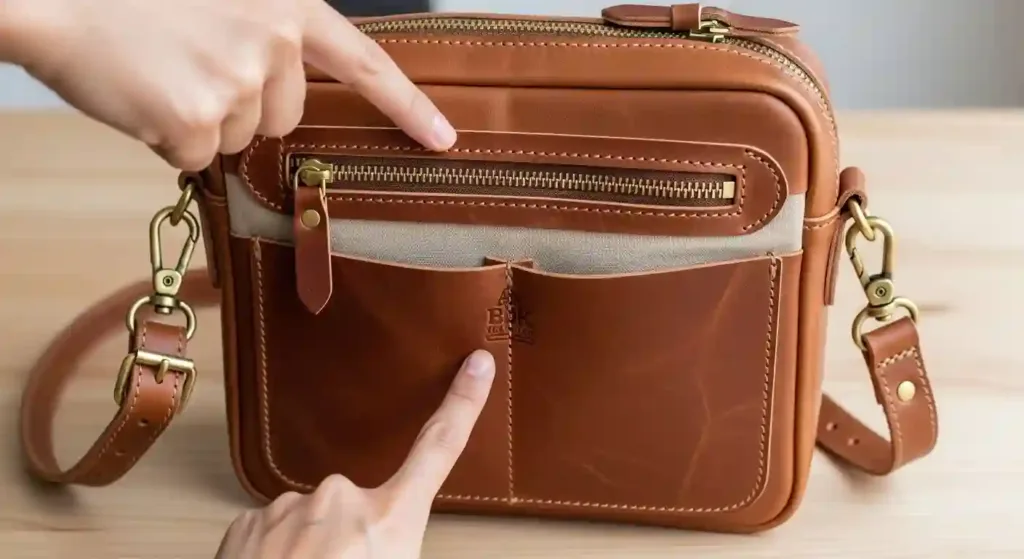
Spotting genuine quality in a leather bag takes a few practical checks. You do not need to be an expert, but knowing what to look for saves you from expensive mistakes.
Start with the smell. Real leather has a natural, slightly earthy scent. Faux leather or bonded leather often smells like plastic or chemicals, especially when new. This one test eliminates most low-quality options immediately.
Next, look at the grain pattern. Genuine leather has natural variation across the surface. Perfectly uniform, repeating grain patterns usually indicate a synthetic coating or bonded material that will peel and crack within a year of regular use.
• Check stitching: even spacing, no loose threads, tight seams at corners
• Test hardware: zippers should glide, snaps should click firmly
• Inspect edges: smooth, finished edges show real craftsmanship
• Feel the weight: quality leather has a natural heft and firmness
• Ask about tanning method: vegetable-tanned leather is a reliable quality indicator
Conclusion
Choosing the right leather crossbody bag comes down to matching the bag to how you actually live. Think about where you carry it most, what you put inside it daily, and how long you expect it to last. Full-grain leather gives you the best long-term investment. Top-grain leather balances budget and quality for regular use. Vegetable-tanned options suit buyers who value craft and sustainability.
Prioritize strap comfort, smart compartment design, and honest construction quality over brand names or trends. A well-chosen leather crossbody bag worn consistently will outlast a dozen cheaper alternatives, and it will look better for every year you carry it.
Browse our full collection of handcrafted leather crossbody bags at leathermingle.com to find the right size, style, and leather grade for your lifestyle.
Frequently Asked Questions
Is genuine leather good for crossbody bags?
Yes. Genuine leather is durable, develops character with use, and handles daily wear far better than synthetic materials. Full-grain and top-grain options are the most recommended for crossbody bags.
How do I know what size crossbody bag I need?
List the items you carry daily and measure them. A medium crossbody measuring 20 to 28 cm wide suits most everyday needs. For travel, go slightly larger to fit documents and extra essentials.
Can a leather crossbody bag be used for travel?
Yes. Leather crossbody bags with a secure back pocket, adjustable strap, and multiple compartments are excellent travel companions. They keep essentials accessible while staying close to your body in busy spaces.
How do I care for a leather crossbody bag?
Wipe with a dry or slightly damp cloth after use. Apply a leather conditioner every 3 to 6 months. Store in a dust bag when not in use and keep away from prolonged direct sunlight or moisture.
What is the difference between full-grain and top-grain leather bags?
Full-grain leather is the strongest and most natural, with visible grain and a richer aging process. Top-grain is sanded for a uniform look and is slightly thinner, making it lighter and more consistent in appearance but less durable over the decades.
How heavy should a leather crossbody bag be?
An empty leather crossbody bag ideally weighs under 500 grams. Heavier empty weight adds up quickly throughout the day and can cause shoulder fatigue, especially with a fully loaded bag.




Add comment