
Daily Care Tips for Leather Bags
Leather bags are a long-term investment, and like any investment, they reward consistent attention. Without a simple daily care routine, even the best genuine leather begins to dry out, crack, and lose its natural appearance within a few years of regular use.
The daily habits you build around your leather bag matter more than occasional deep cleaning sessions. Dust, body oils, moisture, and direct sunlight work on leather slowly and quietly. Catching these effects early keeps the material soft, the colour rich and the structure intact for much longer.
Why Is Daily Care Important for Leather Bags?
Leather is a natural material that breathes, absorbs and reacts to its environment. Unlike synthetic fabrics, it cannot simply be wiped down with any household product. It needs consistent, gentle attention to stay in good condition over time.
Neglecting daily care leads to a predictable chain of damage. Dust and dirt accumulate in the grain, drawing out the natural oils that keep leather supple. The surface dries out. Fine cracks appear, then deepen. Colour fades unevenly. Once leather reaches this stage, restoration becomes expensive and sometimes impossible.
Regular maintenance prevents all of this. A two-minute wipe down after use, a monthly conditioning session, and correct storage habits keep a leather bag looking and feeling great for a decade or longer.
Daily care protects leather bags from drying, cracking, and fading. Small, consistent habits extend the life of genuine leather far beyond what occasional deep cleaning alone can achieve.
Not yet sure which leather bag is worth caring for? Browse our leather crossbody bag collection at Leather Mingle and find a handcrafted bag built for daily wear.
What Are the Best Daily Cleaning Habits for Leather Bags?
Daily cleaning does not need to take more than a minute or two. The goal is to remove what accumulates on the surface during normal use before it has time to work into the leather grain and cause lasting damage.
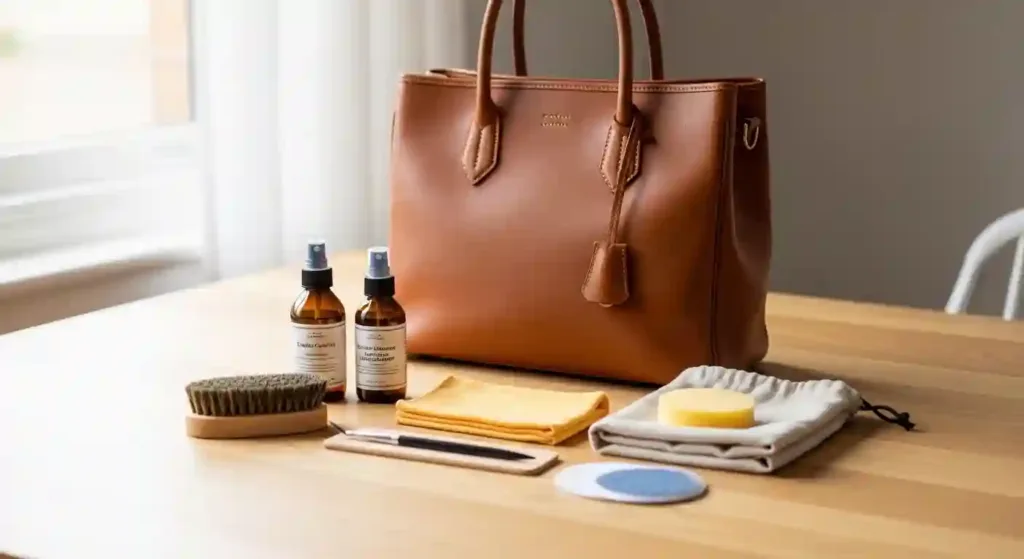
A dry microfiber cloth is the most effective daily cleaning tool for genuine leather bags. It lifts dust and light surface dirt without adding moisture or abrasion. Wipe the full exterior in gentle circular motions, paying attention to base corners and seams where dirt collects most.
Avoid paper towels, rough cloths, or household cleaning sprays on leather. These strip the natural surface oils and leave fine scratches or chemical residue that breaks down the leather finish over time.
• Wipe the exterior with a dry microfiber cloth after every use
• Pay extra attention to handles, strap attachment points, and base corners
• Never use alcohol-based wipes, baby wipes, or multipurpose household cleaners on leather
• For light smudges, a barely damp cloth followed by immediate air drying works well
• Let the bag air out for a few minutes after carrying before storing it away
Wipe your leather bag with a dry microfiber cloth after each use. This removes daily dust and surface oils before they penetrate the grain. It takes under two minutes and is the single most effective leather care habit you can build.
How Do You Keep Leather Bags Soft and Flexible?
Leather loses moisture naturally over time, especially in dry climates or air-conditioned environments. When the moisture balance drops too low, the fibers become brittle and begin to crack at the surface. Conditioning restores that moisture balance and keeps leather pliable.
A good leather conditioner penetrates the surface and feeds the fibers directly. Apply a small amount to a soft cloth and work it into the leather using gentle circular motions. Let it absorb fully before using the bag. For bags in daily use, conditioning every four to six weeks is the right frequency.
Watch for early warning signs that your leather bag needs conditioning: a dull or matte surface where there used to be a natural sheen, slight stiffness when you flex the material, or fine surface lines that were not there before.
• Apply leather conditioner every four to six weeks for daily-use bags
• Use a conditioner formulated for your specific leather grade, full-grain or top-grain
• Always test a small hidden area first to check for any unexpected color change
• Do not over-condition. Too much product clogs leather pores and attracts dirt faster
Leather conditioning prevents dryness and cracking by restoring natural moisture to the fibers. Apply a quality conditioner every four to six weeks for daily-use bags. Dullness and slight stiffness are early signs that conditioning is overdue.
How Do You Protect Leather Bags from Moisture and Stains?
Water is one of the most common causes of leather bag damage. Rain, accidental spills, and even high humidity can leave permanent watermarks, darken the surface unevenly, or cause the leather to warp if it dries too quickly without care.
A leather protective spray creates a barrier on the surface that slows moisture absorption. Apply it to a clean, dry bag every two to three months. Hold the spray 20 to 30 cm from the surface and apply in light, even passes. Let it dry fully before use.
For stains that do happen, act fast. Blot the mark immediately with a dry cloth rather than rubbing, which pushes the stain deeper into the grain. For oil-based stains, a small amount of cornstarch left overnight draws out the oil before it sets permanently.
• Apply a leather protective spray every two to three months
• Blot spills immediately with a dry cloth and never rub the stain
• Use cornstarch overnight for fresh oil or grease marks
• Allow wet leather to dry naturally at room temperature, never near heat
• Avoid carrying unprotected leather bags in heavy rain
What Are the Best Storage Tips for Leather Bags?
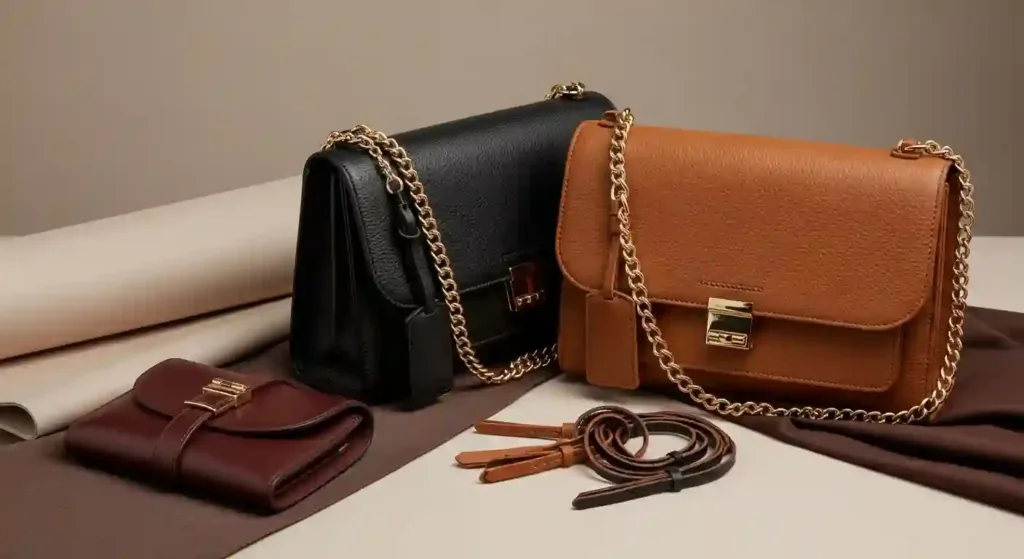
How you store a leather bag when it is not in use affects its shape, surface condition, and long-term durability just as much as how you carry it. Poor storage is one of the most overlooked causes of premature leather damage.
Always store leather bags in a breathable dust bag rather than a plastic cover or sealed box. Plastic traps moisture against the leather surface and creates conditions for mold growth and permanent surface discoloration. A cotton or canvas dust bag protects from dust while allowing the material to breathe.
Stuff the bag lightly with acid-free tissue paper when storing it. This maintains the original shape and prevents the sides from collapsing and developing permanent creases. Avoid overstuffing, which strains the seams and distorts the bag structure over time.
• Store in a breathable cotton dust bag, not a plastic cover
• Stuff the interior with acid-free tissue paper to hold shape
• Keep away from direct sunlight, which fades leather color unevenly
• Store in a cool, dry location with stable humidity levels
• Never hang leather bags by their straps for extended periods as this stretches the hardware and attachment points
Looking for a leather crossbody bag worth storing properly? Shop our leather crossbody bag collection at LeatherMingle and find a bag built to last years with the right care.
What Does a Complete Leather Bag Care Schedule Look Like?
A structured care routine removes guesswork and ensures no maintenance step gets skipped. This schedule covers every task and how often to do it for any genuine leather bag used regularly.
| Frequency | Task | Purpose |
| Daily | Wipe with a dry microfiber cloth | Remove dust and surface dirt |
| Weekly | Check for scuffs or moisture spots | Catch damage early |
| Monthly | Apply leather conditioner | Keep leather soft and supple |
| Every 3 to 6 months | Deep clean and recondition | Full surface restoration |
| As needed | Apply protective spray | Repel moisture and stains |
Following this schedule consistently is the most reliable way to protect the appearance, texture, and structure of your leather bag across years of daily use.
What Are the Most Common Mistakes That Damage Leather Bags?
Most leather bag damage does not come from accidents. It comes from repeated small habits that seem harmless but add up over months and years. Knowing these mistakes makes them easy to avoid.
• Overloading the bag: carrying more than the bag is designed to hold stretches the seams, warps the base, and puts constant stress on strap attachment hardware
• Exposing leather to extreme heat: leaving your bag in a hot car, near a radiator, or in direct sunlight dries out the leather fibers rapidly and causes irreversible surface cracking
• Using incorrect cleaning products: household sprays, alcohol wipes, and acetone-based products strip the natural surface oils and permanently damage the leather finish
• Ignoring minor stains: small marks that go untreated quickly become permanent. Early attention takes seconds while late-stage restoration takes time and money
• Storing in plastic: sealed plastic bags and boxes trap moisture against the leather and create conditions for mold growth and surface discoloration
The most damaging leather bag habits are overloading, heat exposure, using the wrong cleaning products, and storing in non-breathable covers. Each one accelerates the same outcome: dried, cracked leather that cannot be fully restored.
What Expert Tips Help Extend the Life of Leather Bags?
These tips go beyond the basics and reflect the habits of buyers who keep leather bags in excellent condition for ten years or more.
• Rotate between bags instead of using the same one every day: giving leather time to breathe and recover between uses significantly reduces wear accumulation
• Schedule a deep clean every three to six months: use a dedicated leather cleaner, not a conditioner, to remove embedded dirt before re-conditioning
• Invest in quality leather care products: cheap conditioners often contain silicone byproducts that coat the surface without feeding the leather. Use products formulated specifically for genuine leather
• Seek professional leather care for valuable bags: a restorer can re-dye, re-condition, and restructure a bag that home care can no longer address
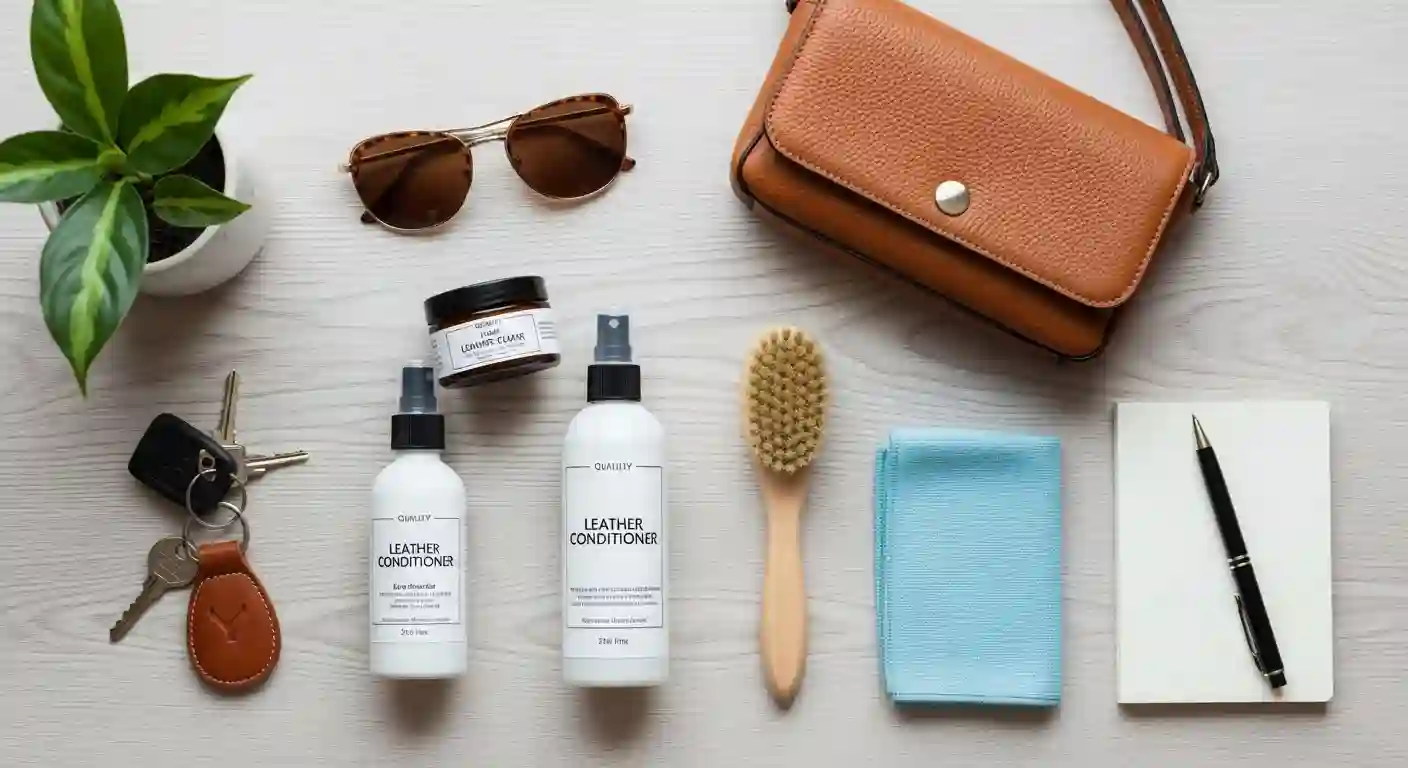
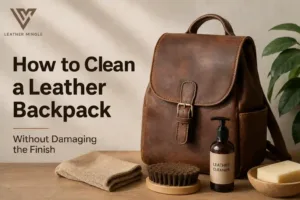
• Keep a small leather care kit at home: a microfiber cloth, quality conditioner, and protective spray stored together makes it easy to stay consistent with your routine
Before your next purchase, read our guide on how to choose the perfect leather crossbody bag to make sure you are investing in the right leather grade from the start.
Start Caring for Your Leather Bag Today
A leather bag that is cleaned, conditioned, and stored correctly does not just last longer. It looks better, feels better, and becomes one of those rare purchases you are glad you made years down the line. The routine is genuinely simple. The results are visible.
Build the daily wipe-down habit first. Add monthly conditioning next. Store correctly. Avoid the common mistakes. That is all it takes to get a decade of great use from a quality genuine leather bag.
Ready to invest in a leather bag worth caring for? Browse our handcrafted leather crossbody bags at LeatherMingle and find the style, size, and leather grade that fits your everyday life.
Frequently Asked Questions About Leather Bag Care
How often should leather bags be cleaned?
Wipe your leather bag with a dry microfiber cloth after every use. Do a light surface clean with a slightly damp cloth weekly. Apply a leather conditioner monthly for bags in daily use and schedule a full deep clean every three to six months.
Can leather bags get wet?
Leather can handle light moisture but should not be soaked or left wet. If your bag gets wet, blot excess water immediately with a dry cloth and allow it to dry naturally at room temperature. Never use a hairdryer or place it near any heat source. Apply a leather protective spray regularly to reduce moisture absorption.
What is the best way to store leather bags?
Store leather bags in a breathable cotton dust bag stuffed lightly with acid-free tissue paper to hold shape. Keep them in a cool, dry location away from direct sunlight and humidity. Never store leather in plastic, which traps moisture and encourages mold and surface discoloration.
How do you keep leather bags looking new?
Wipe down after every use, condition monthly, apply protective spray every two to three months, and store correctly between uses. Catching small stains and scuffs early before they set is the most effective way to maintain a leather bag’s appearance across years of daily use.
What products should you avoid using on leather bags?
Avoid alcohol-based wipes, baby wipes, household cleaning sprays, and any product containing acetone or bleach. These strip the natural oils from the leather surface, cause discoloration, and accelerate cracking. Always use products specifically formulated for genuine leather care.





Add comment